Our Crew

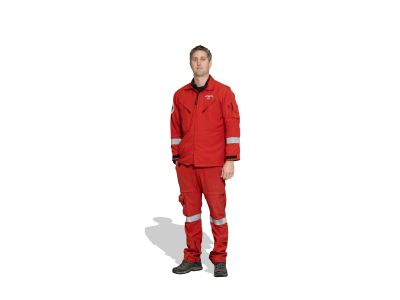
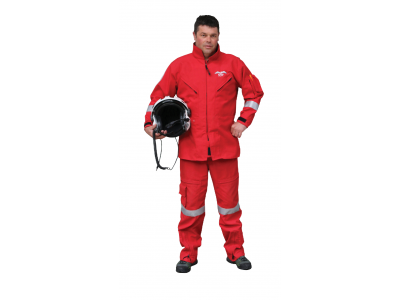
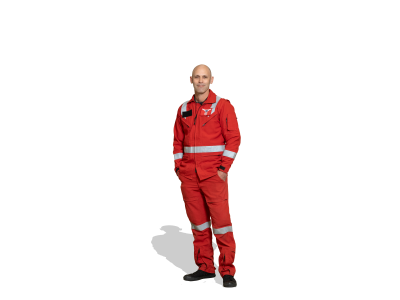
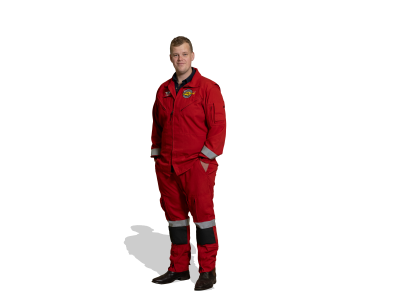
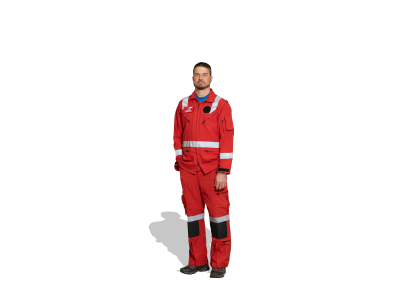
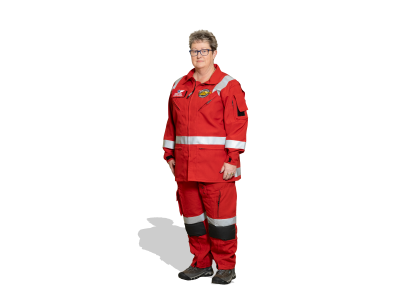
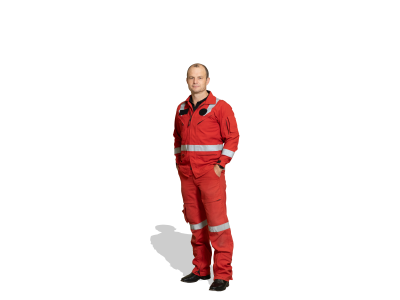
Here are our Pilots and Crewmembers. If you would like to learn more about any of our team simply click on their image below to display their profile card.

Overview of Roles

Standard set up for:

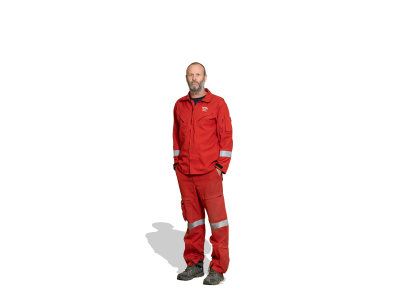
Brent Williams - Chief Pilot

Brent has been with the Rescue Helicopter Service since 2004. Before joining the rescue helicopter team, Brent flew commercially in New Zealand and overseas working including flying in the Antartica for the Indian Government. Brent says the best part of the job is helping others in need and working with a great team. Brent is married with three daughters and when he’s not flying he enjoys golf, fishing and camping.

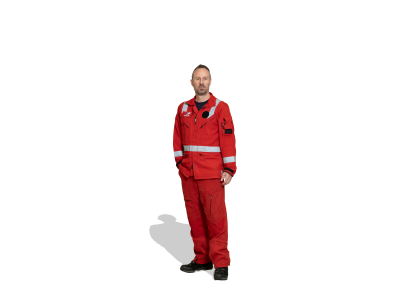
Jeremy Bruce - Pilot

Jeremy is the new member of the rescue helicopter crew team.  He has come on board to replace Dean Herrick who has moved on after 6 years exceptional service.  Jeremy has been the fulltime Eastland Rescue Helicopter pilot for the past year and before this role was involved with agricultural and commercial flying roles in the Gisborne area.  Jeremy says he enjoys using the highly specialized equipment, like night vision goggles that help to save peoples lives.  He gets a real satisfaction in helping others.  Jeremy is married with two daughters and enjoys flying fishing, mountain biking and diving.

Geoff Taylor - Volunteer Crewman

Since Christmas 1999 we have been fortunate to have the services of Geoff as a crewman for the Trust.   For Geoff the best part of being a crewman is helping people and working in a rescue team environment (he is also very handy as he often brings morning tea on a Monday).  Geoff works for Air Chathams as the Engineer Manager and has three children.  In his spare time you will find Geoff either on his motorbike or road bike. 

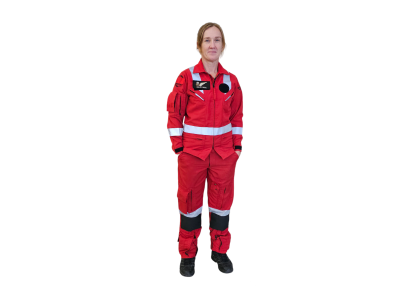
Sally Patrick - Volunteer Crewman

Sally has been with the Rescue Helicopter Service since April 2006. She enjoys being a part of a great team that helps people and ultimately saves lives. She is a Detective in the NZ Police and lives with her partner. In her spare time, Sally is busy with gym training, kick boxing, hockey, cooking and travelling. Sally’s quote is to ‘live each day as if it were your last’.

Ross Munro - Volunteer Crewman

Ross has been a part of the Rescue Helicopter team since January 2004. He enjoys being part of a dedicated team who are there to help other people.  Ross is an St John Advanced Paramedic and has four children. In his sparetime Ross tries to go to the gym, swim and ride dirt motorbikes. Ross’s quote is ‘all you need for something bad to triumph is for one good man to do nothing’

Brett How - Volunteer Crewman

Since 2005 Brett has been working as a rescue helicopter crewman and has enjoyed working with a great team of people.    When Brett is not at the hangar he is working as a professional firefighter and spending time with his four children.  When asked what he does in his spare time – Brett replied ‘what spare time?’

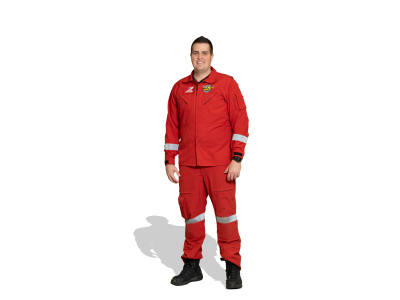
Ryan Sutherland - Volunteer Crewman

Ryan joined the rescue helicopter team late in 2010.  He enjoys the adventure and challenge of the role as well as working with a great team and helping people who need the rescue helicopter. Ryan works as a St John Paramedic and is married with two children. He enjoys going to hunting, diving, playing squash and spending time with his family.

Craig Parsons - Volunteer Crewman

The service has been lucky to have Craig as a volunteer crewman since 1996.  He had a short break from his duties in 2004 before returning in 2006.  In his crewman role he enjoys not knowing what challenge the next call will bring.  Craig works for the NZ Fire Service and has one daughter.  In his spare time he is either around the house doing DIY or racing in an offshore powerboat team.

Pilot

The Trust has two Pilots who work on a roster basis to operate the rescue helicopter service.

Our Pilots experience levels range between 3,000 and 8,000 helicopter flying hours. The Pilots have a wide range of skills, which are required when flying rescue missions, these include:

  • Remote area night operations and winches
  • Off-shore operations

Daily duties include:

  • Ensuring the helicopter is ready for immediate response
  • Flying the helicopter and maintaining ATC (Air Traffic Control) communication
  • Mission planning to ensure success and safety of operation, especially for night and off-shore operations
  • Constant assessment of weather and flight conditions to determine the best option to achieve mission
  • Overall responsibility for safety of operations during a mission
  • Maintaining all flight documentation
  • Updating mission database at the end of each mission
  • Sending out press releases relating to the mission

The Lowe Corporation Rescue Helicopter Pilots practice their skills regularly to maintain the highest level of proficiency.

Crewmember

The Trust has five volunteer crewmembers.  They have a wide range of responsibilities, including:

  • Safety of the helicopter at accident scenes and general safety around the helicopter at all times
  • Communicating obstacle information and clearances to Pilot during bush, cliff and sea rescues
  • Operating the Rescue hoist during winching operation
  • Assistance to paramedics and medical staff in care and transport of patients
  • Operating mission equipment, for example the Night Sun, FLIR (Forward Looking Infra Red) and Direction Finder
  • Role changes of helicopter e.g: loading Incubators and Stretcher Bridges
  • Loading of equipment and testing
  • Passenger safety management

Paramedic

For the paramedic role, St John provides an Advanced Paramedic to crew on the rescue helicopter.

The principle role of the Paramedic is patient care, which includes:

  • Locating injuries (triage)
  • Assessment of priorities
  • Diagnosis
  • Treatment of injuries / medical condition
  • Transportation of patient
  • Scene management
  • Liaison with other services
  • Communication with medical centres

Flight Team

For inter-hospital transfers there is a specialist Flight Team at the Hawke’s Bay Regional Hospital. The Flight Team is assembled depending on the patient needs.

The Flight Nurses have specialist training in aeromedicine and maintain clinical skills by working on the ward as well.